Quick Links
Stay in Touch!
We value your privacy, won't share your email address and you can easily unsubscribe any time.



Video • 4 minutes • 11/27/2024

Video • 17 min 21 sec • 11/20/2024
Join certified CNVC trainers Jim and Jori Manske to explore the relationship between gratitude and Nonviolent Communication as a way to learn and practice NVC.
Video • 5 min 38 sec • 2/22/2024
There is more to the NVC skill of Observation than the external level of what a video camera sees or hears. In this video, Roxy demonstrates that to fully understand what is happening, we need to know all three layers of observation: External, Internal, and Systemic. 
Video • 17 minutes • 11/5/2024


Video • 3 minutes • 08/16/2024
Gregg Kendrick and Marie Miyashiro share the importance of nonviolent communication and needs awareness at multiple levels of organizational structure —individual, interpersonal, and organizational.

Video • 4 minutes • 10/10/2024
Video • 6 minutes • 10/01/2024
Roxy Manning shares some strategies to support a child's natural curiosity when asking questions about physical differences using NVC skills.

Video • 15 minutes • 9/25/2024
Being heard is a core human need. But what if you don't like what the other person is saying: how do you hold onto your awareness of their humanity? Find out in this demonstration from Kathy Simon's course, Connect Across Differences.
Video • 7 minutes • 9/5/2024
Roxy Manning emphasizes positive relationships in parenting, highlighting acceptance, understanding, and compromise. She stresses the importance of being aware of one's needs, attuning to the other person's needs, fostering trust, and encouraging open communication, especially with children. The approach involves a balance between meeting both sets of needs for a healthier dynamic.
We each have the power to be the creator of our own inner experience.
Video • 2 minutes • 8/13/2024
Focus on impact over intention to navigate racial complexity in facilitation.
Video • 15 min 12 sec • 3/30/2024
Join Itzel Hayward and Kathy Simon as they present two role-play scenarios showcasing diverse approaches to navigating difficult conversations. Throughout the demonstration, they underscore the significance of cultivating self-empathy and mindfulness to effectively engage in challenging dialogues. Specifically, they introduce a role-play scenario concerning affirmative action, aimed at illustrating the contrasting outcomes when utilizing or not utilizing nonviolent communication skills.
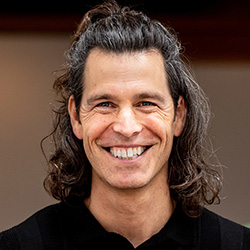
Yoram Mosenzon shares that the role of a mediator is often misconceived as solving conflicts, which can create stress and exacerbate the conflict. Instead, the true essence of mediation is about remaining untriggered, understanding the pain of the conflicting parties, and facilitating communication.

Video • 4 min 33 sec • 02/16/2024
Building community well-being through bonds, bridges, and restorative relationships.

Video • 8 minutes • 7/10/2024
Breaking workshop planning into bite-size steps reduces overwhelm and sparks creativity.
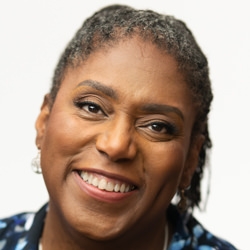
Video • 1 min 44 sec • 06/13/2024
Roxy Manning discusses the distinction between group purpose and group agreements. Group purpose is identified as the reason for gathering, such as learning to facilitate groups with a focus on inclusion and contribution. Group agreements are the policies or intentions to support the purpose, like creating space for all voices or forming affinity groups to address identity-specific challenges. The emphasis is on how agreements facilitate the manifestation of the group's purpose.
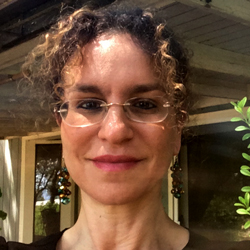
Delving into the impact of societal structures and parenting approaches on individuals.
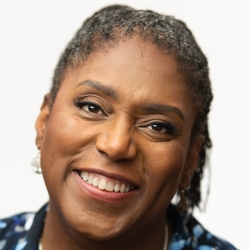
Inclusive teams face challenges openly, embracing discomfort to build real safety.
Express feelings and needs clearly to foster connection and understanding.
We value your privacy, won't share your email address and you can easily unsubscribe any time.
