Quick Links

Stay in Touch!
We value your privacy, won't share your email address and you can easily unsubscribe any time.


What happens when empathy isn't enough?
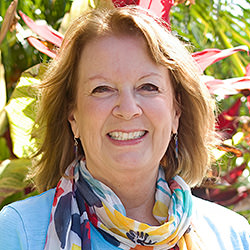
What drew you to Nonviolent Communication? In this touching reflection, a longtime NVC trainer, Mary Mackenzie, shares the moment that first lit her up with hope.
What drew you to Nonviolent Communication? In this touching reflection, Mary Mackenzie shares the moment that first lit her up with hope. In her very first class, she was asked to reflect on what she truly wanted in life—and realized there was a growing gap between her dreams and her actions. NVC offered a path forward: a way to identify core needs and align strategies with what really matters. This heartfelt story reminds us that transformation begins not with blame, but with awareness, compassion, and choice.
Mary Mackenzie shares practical facilitation techniques to guide participants toward deeper understanding without correction. Through thoughtful pauses and reflective questions, she demonstrates how to help individuals connect with feelings and needs in a meaningful way.
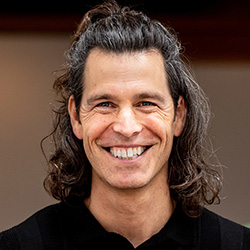
Yoram Mosenzon explores the core NVC principle that others do not cause our feelings—our interpretations and unmet needs do. Through a relatable and humorous example, the trainer highlights how different people respond with a wide range of emotions to the same observation, depending on the story they tell themselves. This session supports growth in needs consciousness, emotional responsibility, and the power of self-connection. A powerful invitation to release guilt and embrace clarity around the true source of our feelings.
Keywords:
Keywords:
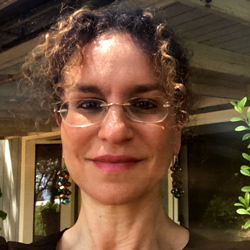
Aya Caspi describes Nonviolent Communication (NVC) as a restorative practice—one that reconnects us with life, trust, and the experience of mattering. She reflects on Marshall Rosenberg’s vision of NVC as a “language of life,” helping us shift from disconnection to connection, from distrust to trust. Aya shares how every NVC practice is designed to meet needs and restore well-being—both within ourselves and in our relationships. If you're exploring what NVC is or how it works, this video offers a grounding and hopeful introduction.
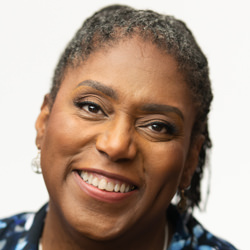
Fear and self-doubt often hold us back from taking action, but Roxy Manning urges us to confront these barriers, prepare for challenges, and build strong support systems. Social change is tough, and frustration is inevitable, but by embracing our humanity and staying committed, we can create meaningful impact. The key is to step in with courage, empathy, and a plan to sustain the journey.
Mary Mackenzie explains that empathizing with our closest loved ones can be difficult because they matter so deeply to us, past experiences might create emotional barriers, and we might fear losing ourselves in the process.
To grow our empathy skills, we must trust that we can care for both ourselves and others, practice empathy with people outside our inner circle, and ensure our emotional needs are met. Developing a consistent self-empathy practice and taking small steps—starting with receptive loved ones—can make the process easier. Holding ourselves with compassion and remembering why we value these relationships helps sustain our efforts. With practice, empathy for loved ones becomes more natural and transformative.
Alan Rafael Seid explores the principle of connection before solution, emphasizing the importance of understanding each other's needs before jumping to fix a problem. He explains how rushing to solutions can lead to resentment, resistance, or ineffective outcomes, while slowing down to create mutual understanding builds trust and leads to more durable resolutions. Alan highlights the deeper level of connection where people not only feel heard but also trust that their needs matter to one another. By prioritizing connection first, strategies become more collaborative, effective, and sustainable—whether in families, workplaces, or any relationship.
In times of conflict, it’s easy to lose touch with ourselves and our needs. In this heartfelt session, Jesse Wiens Chu shares three practical centering practices—rooted in the principles of Nonviolent Communication (NVC)—to help you find your way back to self-connection, empathy, and choice. Through accessible tools drawn from both personal experience and frontline work, you’ll learn how to navigate emotional overwhelm, honor your inner life, and move toward compassionate action. This training offers a path to staying grounded and resilient, so you can show up more fully for yourself and others.
Are you looking to deepen your connection to Nonviolent Communication (NVC) and build powerful empathy skills? In this short video, Mary Mackenzie shares how finding an empathy buddy transformed her life and practice. From learning to give and receive empathy to fostering deep internal healing, Mary reveals the profound benefits of this simple yet life-changing practice. Discover how a monthly empathy exchange can help you grow, heal, and connect more authentically with yourself and others. If you're ready to enrich your NVC journey, this video is a must-watch!
Sarah Peyton explores the process of repairing relationships through the lens of Nonviolent Communication. She emphasizes the importance of self-connection and empathy—both for ourselves and others—when addressing moments of hurt or disconnection. Sarah highlights how acknowledging impact, expressing authentic feelings and needs, and offering genuine empathy can restore trust and rebuild connection. By approaching repair with compassion and vulnerability, we can transform conflict into an opportunity for deeper understanding and stronger relationships.
If you enjoy this snippet then you might also enjoy the full course, Healing Trauma, Finding Forgiveness Partners, Parents, Children, and Self Link to the full course here
Iris Bawidamann explains how needs, like appreciation, can easily turn into demands or self-blame when approached from a place of lack or expectation. Instead of blaming others for not meeting our needs or harshly demanding fulfillment from ourselves, living compassion invites us to gently embrace and connect with the essence of our needs. By tuning into the feeling and meaning of appreciation itself, rather than focusing on its absence, we cultivate a more compassionate and fulfilling experience.
This practice is based on the work of Living Compassion, shared by Robert Gonzales, focusing on the beauty of needs and the living energy of needs
Yoram Mosenzon shares how expressing specific and authentic appreciation can deepen connection in intimate relationships. He emphasizes the importance of making clear observations without judgment and connecting with the feelings and needs that arise from meaningful gestures. Yoram highlights how gratitude becomes a celebration of life, enriching relationships and fostering deeper understanding. He also encourages self-connection to ensure that appreciation is heartfelt and sincere. Through these NVC principles, Yoram shows how mindful gratitude can transform relationships and nurture love.
Shifting to a needs-based perspective is one of the most powerful—and challenging—aspects of integrating Nonviolent Communication (NVC) into daily life. In this short video, Mary Mackenzie offers three simple, practical tips to help you cultivate needs consciousness and transform how you experience your world and relationships. From hourly check-ins to reflecting on your day, these strategies will help you build the habit of focusing on needs rather than judgments. If you're ready to take your NVC practice to the next level, this video is for you!

We value your privacy, won't share your email address and you can easily unsubscribe any time.